Have you ever considered the true cost of a good night’s sleep, or perhaps, the investment required for optimal sleep technology? In the accompanying video, an extensive personal journey through various sleep tech products is detailed, revealing a significant expenditure of over $17,000. This deep dive into light, sound, temperature, sleep tracking, and comfort aims to discern which innovations genuinely enhance rest and which might be considered an unnecessary expense. Understanding the physiological impact of these elements is crucial for anyone looking to upgrade their sleep environment.
Mastering the Light Environment for Restful Sleep
Light exposure, or rather the lack thereof, is often cited as a cornerstone of effective sleep hygiene. For instance, the elimination of ambient light when preparing for sleep is widely recognized as essential. This is because light, particularly blue light, can suppress melatonin production, a hormone vital for sleep initiation. In contrast, gentle light exposure upon waking can aid in a more peaceful emergence from sleep, aligning with natural circadian rhythms rather than the jarring jolt of a traditional alarm.
Effective Blackout Solutions for the Bedroom
Achieving complete darkness in the bedroom might seem straightforward, but it is often underestimated in its complexity. Simple blackout curtains, for example, can be incredibly effective and budget-friendly. It is important, however, for consideration to be given to potential light seepage around the edges, top, and bottom of the curtains. This small detail can significantly compromise their effectiveness. Imagine if a sliver of morning sun consistently streamed into your room at 7:00 AM; sustained sleep past that hour would likely become a challenge. Such curtains also offer the added benefit of insulation, which helps to regulate room temperature, offering a cooler environment in summer and a warmer one in winter.
More sophisticated, and consequently more expensive, options include custom motorized shades. While these shades can offer a sleek, modern aesthetic and smart home integration, their design must be meticulously executed to prevent light gaps. A reported investment of $4,300 for high-quality, light-blocking shades, with an additional $300 required for specialized window box installations, highlights the premium associated with flawless light elimination. This expenditure was deemed necessary after a prior $2,000 investment in less effective shades proved inadequate, demonstrating that sometimes, an initial higher cost can prevent greater long-term dissatisfaction and wasted funds.
The Practicality of Sleep Masks
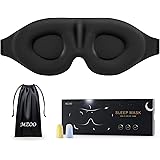
For those times when a perfectly dark room is not attainable, such as during travel or in shared living spaces, a sleep mask is often considered. While some individuals prefer them over blackout curtains at home, this is generally not recommended due to the potential for masks to become dislodged during the night, allowing light to seep in. Furthermore, the sensation of material on the face can be uncomfortable for some, disrupting sleep quality. Nonetheless, for travel, a comfortable and affordable sleep mask is highly recommended. Contoured designs are particularly favored, as they allow space for the eyes and eyelashes, avoiding uncomfortable pressure. Options ranging from $10-$35 are available, providing effective light blockage without a substantial financial commitment.
The Benefits of Smart Lighting for Sleep Hygiene
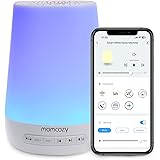
Smart lights, such as Philips Hue systems, offer an innovative approach to managing light exposure throughout the evening and morning. While these systems can accumulate costs quickly—a hub typically costs around $50, with individual bulbs or light strips ranging from $30 to $100 each—their utility for sensitive individuals can be considerable. The ability to program lights to shift to a red hue in the evening, signaling the body to prepare for rest by reducing blue light exposure, is a key feature. This can be especially beneficial for those particularly sensitive to light. Furthermore, motion-activated dim red lights, often controlled by $20-$25 sensors placed strategically, can illuminate a path for nighttime bathroom trips without fully waking the body. The simulation of a sunrise, where lights slowly brighten to gently wake an individual, is another advanced feature that can be implemented, although smart shades can provide a similar benefit by opening automatically.
Optimizing Your Sound Environment for Rest
The pursuit of quietude for sleep is widely understood, but the subtle impact of sound pollution on sleep quality is often overlooked. Even if an individual does not consciously wake, external disturbances can compromise the depth and restfulness of sleep. Strategic bedroom placement, such as positioning the guest room far from the primary sleeping area, can mitigate some internal household noise. However, external sounds are often more challenging to control.
Leveraging White Noise for Consistent Quiet
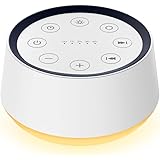
The use of white noise is a common strategy to mask disruptive sounds. A simple fan is often an adequate and cost-effective white noise generator, with models as inexpensive as $50 providing similar functional benefits to pricier, advanced options like a $300+ smart home-integrated air purifier fan. The Smartmi humidifier, priced at $140, is another device that offers the dual benefit of adding white noise while also addressing dry air conditions, a particular concern for those residing in arid climates like deserts. The alleviation of nasal irritation and bloody noses can be a significant comfort improvement. For direct sound blocking, foam earplugs are generally considered highly effective and inexpensive. Proper insertion, which typically involves straightening the ear canal, is crucial to maximize comfort and effectiveness; otherwise, discomfort may be experienced.
Temperature Regulation: A Foundation for Deep Sleep
The body’s core temperature plays a pivotal role in the sleep-wake cycle. To initiate sleep, the body typically needs to cool down by one to three degrees, while a warming of a similar magnitude is beneficial for waking. This delicate balance underscores the importance of a well-regulated sleeping environment. Relying solely on open windows and fans, as is sometimes the practice, often fails to adequately cool a room, potentially leading to perceived insomnia when the underlying issue is simply excessive heat.
The Strategic Use of Air Conditioning
Setting the air conditioning a few degrees cooler can significantly expedite the process of falling asleep and promote sustained sleep. It is often suggested that the room should be cool enough to necessitate the use of a blanket. This allows for a unique temperature modulation strategy: if one feels too warm, exposing the palms of the hands and the feet from beneath the blanket can provide effective cooling. This is attributed to these areas of the body possessing glabrous skin, which is more efficient at dissipating heat. For many individuals, the incremental cost of $10-$20 more per month in electricity to maintain an optimally cool bedroom is a worthwhile investment for improved sleep quality.
Advanced Mattress Cooling and Heating Systems
For those seeking more precise and personalized temperature control, cooling and heating mattress systems, such as the Eight Sleep Pod, represent a significant advancement. These systems, which can cost around $2,500 for a California King size, consist of a thick mattress cover connected to a machine that pumps temperature-controlled water. This technology allows individuals and their partners to customize the surface temperature of their respective sides of the bed. While an initial adjustment period may be required to find the optimal settings, the long-term benefits include the ability to program a thermal schedule throughout the night. For example, the mattress can be set to be cooler during the initial stages of sleep, gradually warming as the night progresses, and finally providing a warming effect just before wake-up. This progressive temperature change is believed to support the body’s natural circadian rhythm, aiding both sleep onset and a more gentle awakening.
Navigating the World of Sleep Tracking Technology
Sleep tracking has become a popular aspect of personal health monitoring, offering insights into various sleep metrics. However, it is important for the primary goal of these devices to be understood: to serve as a tool for improvement, not a source of anxiety. The phenomenon of “Orthosomnia,” where individuals become excessively fixated on their sleep scores and metrics, leading to increased stress, is a recognized concern to be actively avoided.
Evaluating Sleep Tracking Devices
While some smart mattresses, like the Eight Sleep, incorporate built-in sleep tracking capabilities for metrics such as heart rate, HRV, restfulness, and sleep stages, their accuracy can sometimes be questioned. In contrast, dedicated sleep tracking rings, such as the Oura Ring and Ultrahuman Air, are often considered to offer greater utility for sleep analysis compared to more general fitness trackers like the Apple Watch, which can be bulky to wear during sleep. These rings typically provide data on total sleep duration, resting heart rate, heart rate variability (HRV), and body temperature. The ability to detect subtle changes in body temperature can even serve as an early indicator of illness, as demonstrated by instances of pre-symptomatic fever detection.
When considering an investment in sleep tracking rings, pricing and subscription models often play a significant role in decision-making. The Oura Ring Gen 3, for example, typically ranges from $299 to $450, depending on the style and finish, and often requires an annual membership fee of approximately $72 for full data access. Conversely, the Ultrahuman Air ring, priced at $349, offers full functionality without a recurring subscription, making it a potentially more attractive long-term investment. Design considerations are also important; some rings, like the Ultrahuman Air, are praised for their sleek, symmetrical design that resembles a regular ring, minimizing obstruction to adjacent fingers and providing a more comfortable user experience.
The Pillars of Sleep Comfort: Mattress, Pillows, and Sheets
The foundation of a comfortable sleep experience rests heavily on the quality and suitability of one’s mattress, pillows, and sheets. It is a common misconception that a firm mattress is universally superior for back health. In reality, the ideal mattress firmness is highly individual and often dependent on sleeping position. For a side sleeper, for instance, a soft yet supportive mattress can provide significant relief and comfort, conforming to the body’s contours to maintain spinal alignment. Considering that approximately one-third of one’s life is spent in bed, an investment in a high-quality mattress, even one costing around $5,300 like a premium Tempur-Pedic, is often seen as paying substantial dividends in overall well-being and energy.
Selecting the Right Pillow and Sheets
Pillow choice is equally critical and should be made in conjunction with the mattress selection. The thickness and support required from a pillow are directly influenced by the mattress’s firmness, as a softer mattress will allow the body to sink deeper, thereby altering the necessary height to maintain proper neck and head alignment. Experimenting with different pillow types is often necessary to find one that provides adequate support without causing discomfort. Similarly, while many premium sheet options exist, practical and comfortable choices can be found at more accessible price points. For example, Kirkland brand sheets are noted for their good quality and comfort, proving that effective solutions for sleep comfort do not always require extravagant spending.
Bonus Insights for Enhanced Sleep Experience
Beyond the primary categories of sleep tech, several other tools and habits can contribute significantly to a more restful night. These often complement the core strategies of light, sound, and temperature management.
Smart Thermostats and E-Readers
A smart thermostat, such as the Ecobee, can elevate temperature control by integrating separate sensors placed directly near the bed. This allows the system to prioritize cooling or heating the specific sleeping area to the desired temperature, rather than relying on a sensor in a different part of the room or house. This precision ensures the most comfortable thermal environment for sleep. For winding down in the evening, an e-reader like a Kindle is highly recommended. Unlike tablets or smartphones, e-readers typically lack a bright, blue-backlit screen, which can disrupt melatonin production. Many models offer adjustable color temperatures, dark mode, and inverted colors, making them much gentler on the eyes in low-light conditions, particularly for individuals sensitive to light.
Considering Blue Light Blocking Glasses
Blue light blocking glasses were once a more prominent recommendation for evening use. However, as strategies for reducing blue light exposure have evolved to include red-shifted smart lighting throughout the home and the use of e-readers instead of phones at night, the necessity for these glasses has somewhat diminished for some users. They can still be beneficial for those whose evening routines involve unavoidable screen time, providing an additional layer of protection against light-induced sleep disruption.
Investing in Rest: Your Sleep Tech Questions Answered
Why is blocking light important for good sleep?
Light, especially blue light, can stop your body from producing melatonin, a hormone that helps you fall asleep. Keeping your room dark signals your body it’s time to rest.
What are some easy ways to make my bedroom dark?
Simple blackout curtains are a great start and are budget-friendly. Just ensure there are no gaps around the edges where light can sneak through.
Can sounds really impact my sleep quality?
Yes, even if you don’t fully wake up, sounds can prevent you from getting deep, restful sleep. Using white noise can help mask disruptive sounds.
Why is a cool room important for sleeping well?
Your body needs to slightly cool down to start sleeping. Keeping your bedroom a few degrees cooler helps you fall asleep faster and stay asleep longer.
How do I pick the right mattress for me?
The best mattress depends on your sleeping position; for example, side sleepers often benefit from a softer mattress that supports their body’s curves.