Navigating the transition to college life often presents unique challenges. For many students, a significant hurdle involves maintaining adequate sleep quality. The communal dorm environment is typically fraught with disruptions. Poor mattress support and ambient noise are common complaints. Therefore, establishing an optimal sleep environment becomes paramount for academic success and overall well-being. The video above offers a quick guide to some vital college sleep essentials. This includes practical items designed to mitigate common issues. However, a deeper understanding of these tools reveals their profound impact on restorative rest.
Optimizing Dorm Sleep Ergonomics
The standard dorm mattress is notoriously uncomfortable. It is frequently characterized by inadequate support and questionable longevity. Such a foundation often exacerbates postural issues. This leads to morning stiffness and reduced daytime alertness. Consequently, a high-quality mattress topper becomes indispensable. It serves as a transformative layer. This addition dramatically improves the sleep surface. Memory foam, as highlighted in the video, is a preferred material. Its viscoelastic properties allow for personalized contouring. Pressure points are significantly alleviated. The spine is maintained in better alignment.
A typical two-inch memory foam topper offers a noticeable difference. It provides a softer yet supportive interface. Deeper pressure relief is often achieved with thicker options, perhaps three or four inches. However, increased thickness can sometimes trap more heat. Density is also a critical factor to consider. Higher density foams typically offer greater durability and support. Nevertheless, these can also be more expensive. Choosing a suitable topper involves balancing budget constraints with ergonomic needs. The aim is to create a sleep surface conducive to deep, uninterrupted rest.
For those susceptible to overheating, a cooling gel infusion is a beneficial feature. These gels often incorporate phase-change materials. Heat is absorbed away from the body. This process assists in maintaining a stable microclimate around the sleeper. Alternatively, a breathable cover is a more budget-friendly option. It facilitates airflow and wicks away moisture. Such features prevent the uncomfortable clamminess that can disrupt sleep. A mattress topper, therefore, acts as a personalized comfort system. It transforms a rudimentary sleeping surface into a supportive haven.
Advanced Thermoregulation for Student Sleep
Maintaining an optimal core body temperature is crucial for sleep initiation and maintenance. The human body naturally experiences a slight drop in temperature prior to sleep. This process is known as thermoregulation. Hot dorm rooms often impede this natural cooling. Consequently, a tower fan is an invaluable asset. It serves a dual purpose in the college sleep environment. Firstly, it facilitates convective cooling. Air circulates, drawing heat away from the body. This promotes a more comfortable sleeping temperature. Evaporative cooling from perspiration is also enhanced.
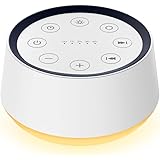
Beyond its cooling capabilities, a tower fan provides consistent white noise. This auditory phenomenon is particularly effective in masked sudden, jarring sounds. Dormitories are often plagued by unpredictable noises. Door slams, conversations, and street traffic are common culprits. White noise creates a consistent ambient soundscape. It effectively raises the baseline of auditory input. The brain’s sensitivity to sudden, louder sounds is thereby reduced. This results in fewer awakenings. A fan effectively creates a personal climate and acoustic buffer. It supports an undisturbed night’s rest.
Establishing Acoustic and Ocular Sanctuary
Complete silence and darkness are ideal conditions for restorative sleep. However, these are often elusive in a busy college setting. External noise can disrupt sleep architecture. This includes the progression through various sleep stages. Similarly, even low levels of ambient light can suppress melatonin production. This hormone is vital for regulating the sleep-wake cycle. Therefore, strategic interventions are required. These ensure that the sleeping brain receives the correct environmental cues. The video succinctly points out the necessity of both earplugs and an eye mask.
Mitigating Auditory Disturbances
Earplugs are simple yet highly effective acoustic dampeners. They significantly reduce the decibel level of environmental sounds. Foam earplugs, for instance, are widely available and conform to the ear canal. This creates a seal against unwanted noise. Silicone options offer a different fit and feel. These are often reusable and durable. The primary mechanism involves blocking sound waves from reaching the eardrum. This allows for a deeper state of relaxation. The brain is permitted to cycle through essential sleep stages. This includes crucial REM and deep sleep. Earplugs create an auditory vacuum, silencing the external world. They are indispensable for achieving complete quiet in shared living spaces.
Achieving Ocular Darkness
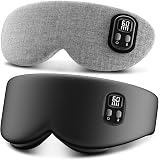
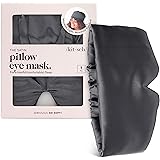
An eye mask provides total ocular darkness. This signals to the brain that it is time for rest. Even faint light from electronics or hallway illumination can disrupt melatonin synthesis. Melatonin is a potent sleep-inducing hormone. Its production is directly influenced by light exposure. A good eye mask blocks all incoming light. This ensures optimal hormonal regulation. Contoured eye masks are designed to avoid pressure on the eyelids. This enhances comfort. Silk masks offer a luxurious feel and are gentle on the skin. Weighted eye masks provide a gentle pressure. This can have a calming effect. An eye mask effectively creates a personal blackout curtain. It reinforces the body’s natural circadian rhythm. This promotes a consistent and healthy sleep pattern.
Integrating Sleep Essentials for Holistic Well-being
The items mentioned in the video, such as mattress toppers, fans, earplugs, and eye masks, are more than mere accessories. They are integral components of a robust sleep hygiene strategy. Each element addresses a specific environmental barrier to quality sleep. When combined, they forge a powerful defense against dorm room disruptions. A comfortable bed supports the body. A fan regulates temperature and masks noise. Earplugs quiet the surroundings. An eye mask ensures darkness. These college sleep essentials empower students. They allow for the cultivation of a truly restorative sleep sanctuary. Prioritizing these elements is an investment in academic performance and mental health. This comprehensive approach promotes profound nightly rejuvenation. Such a strategy is critical for thriving in a demanding university setting.
Navigating Your College Zzz’s: Q&A
Why is good sleep important for college students?
Good sleep is vital for college students because it helps with academic success and overall well-being, especially when dealing with common dorm disruptions.
What can I do to make my dorm bed more comfortable?
A high-quality mattress topper, especially one made of memory foam, can transform an uncomfortable dorm mattress into a much more supportive and comfortable sleeping surface.
How can a fan help me sleep better in my dorm?
A tower fan helps by cooling your room and creating consistent white noise, which can mask disruptive sounds and promote a more comfortable sleep environment.
What items can block out noise and light in a dorm?
Earplugs are effective for reducing external noise, while an eye mask can block out all light, helping your body get the cues it needs for restful sleep.