Achieving restful sleep on a plane, especially during long-haul journeys, is often considered a travel challenge. The video above highlights practical approaches to enhance flight comfort, specifically through the use of innovative travel gadgets.
Many passengers seek effective solutions to combat the inherent discomfort of air travel, from cramped spaces to awkward sleeping positions. This guide explores the effectiveness of specific gadgets reviewed in the video and delves deeper into strategies for optimizing your in-flight experience, ensuring you arrive at your destination feeling more refreshed.
1. The Transformative Power of a Bendable Memory Foam Neck Pillow
The first gadget featured in the video, a memory foam neck pillow with a unique bendable design, was noted for its surprising effectiveness on a 12-hour flight. Unlike traditional U-shaped pillows, this innovative design offers personalized support.
Memory foam is known for its ability to contour to the unique shape of the head and neck, distributing pressure evenly. This can significantly reduce strain on cervical vertebrae, a common issue leading to neck pain during flights. The bendable nature allows travelers to customize the support, wrapping it around the neck, twisting it for side support, or even propping it against a window or seat for stability.
Statistics suggest that poor sleep quality can affect up to 60% of long-distance travelers, often exacerbated by uncomfortable seating and lack of proper head and neck support. An adaptable pillow, therefore, plays a crucial role in mitigating these factors. The flexibility of this particular gadget makes it a standout choice for those struggling to find a comfortable sleeping position in restrictive airline seats.
2. Evaluating Inflatable Footrests for Enhanced Leg Comfort
The second gadget introduced in the video was an inflatable footrest, designed to function as a “blow-up mattress for your feet.” This concept aims to elevate the legs, simulating a more natural resting position similar to what one might experience in a bed or recliner. Such elevation is often recommended to improve blood circulation during extended periods of immobility, helping to prevent issues like deep vein thrombosis (DVT).
However, the video detailed some practical challenges with this device, including difficulty with the pump and its size constraints within the limited cabin space. It was observed that while initially comfortable for a couple of hours, the footrest eventually became cumbersome. This feedback aligns with common criticisms of inflatable footrests; while they offer the benefit of portability and adjustable firmness, their fit in varying aircraft seat pitches can be problematic, and repeated adjustments may be needed.
Research into in-flight comfort highlights the importance of leg elevation in reducing swelling and fatigue during long flights. While the idea is sound, the execution in a confined space requires careful consideration of dimensions and ease of setup. Travelers should research the specific dimensions of any inflatable footrest and consider the typical legroom provided by their chosen airline and seat class before purchase.
3. Beyond Gadgets: Holistic Strategies for Plane Comfort
While specific travel gadgets, such as a comfortable neck pillow or a footrest, are valuable additions, a comprehensive approach to sleeping comfortably on a plane often yields the best results. Several other factors contribute significantly to overall in-flight well-being.
Proper hydration is paramount; the low humidity in aircraft cabins can quickly lead to dehydration, exacerbating fatigue. Passengers are advised to drink plenty of water and avoid excessive alcohol or caffeine, which can disrupt sleep patterns. Additionally, dressing in loose, comfortable clothing allows for better circulation and movement, which is essential on long flights.
Strategic seat selection can also make a substantial difference. Window seats offer the advantage of a wall to lean against, potentially providing more stable support for napping. Exit row or bulkhead seats, while sometimes incurring extra cost, provide significantly more legroom, which can be a game-changer for taller individuals or those who prefer to stretch out.
4. Optimizing Your Sleep Environment in the Air
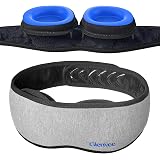
Creating a personal sanctuary within the bustling cabin environment is crucial for achieving quality rest. Noise-canceling headphones are highly recommended; they can block out engine hum, cabin announcements, and conversations, replacing them with soothing music or complete silence. Alongside this, an effective eye mask is essential for blocking out ambient cabin light and personal reading lights, signaling to your body that it’s time to rest.
Controlling your personal micro-environment also extends to temperature. Aircraft cabins can fluctuate between chilly and warm, making layering clothing a smart strategy. A lightweight travel blanket or a large scarf can provide extra warmth and a sense of coziness. These small adjustments collectively transform a potentially harsh environment into one more conducive to sleep.
Travelers often find that practicing relaxation techniques, such as deep breathing or meditation, before attempting to sleep can significantly improve their chances of falling asleep faster and staying asleep longer. The combination of physical comfort from gadgets and mental preparedness creates an optimal state for resting during your journey.
5. The Importance of Movement and Circulation During Flights
Even with the most comfortable gadgets, prolonged sitting remains a challenge for circulation. Incorporating regular movement into your flight routine is vital for maintaining comfort and health. Simple exercises that can be performed in your seat, such as ankle rotations, foot pumps, and gentle neck stretches, can help keep blood flowing.
Walking the aisle periodically, when permitted and safe to do so, is also highly beneficial. This short walk helps to stretch muscles and reduce stiffness that accumulates from sitting. For individuals concerned about circulation, compression socks are a non-gadget solution often recommended by medical professionals to support venous return and prevent swelling in the lower legs.
The focus on sleeping comfortably on a plane should not overshadow the broader need for overall physical well-being. By integrating both specialized gadgets and proactive health practices, passengers can significantly enhance their travel experience. Prioritizing these elements ensures that journeys, even those lasting for 12 hours or more, are endured with greater ease and less post-flight fatigue.
Plane Hack FAQs: Decoding Your Travel Gadget Queries
Why is it often difficult to sleep comfortably on a plane?
Sleeping on a plane can be challenging due to cramped spaces, awkward seating positions, and the general discomfort of air travel. Many travelers struggle to find a restful posture during long flights.
What is a bendable memory foam neck pillow, and how does it help?
A bendable memory foam neck pillow is a travel gadget that contours to your head and neck, providing personalized support. Its flexible design helps reduce strain and allows you to customize your comfort for a stable sleeping position.
What is an inflatable footrest, and does it help with comfort?
An inflatable footrest is a gadget designed to elevate your legs, mimicking a more natural resting position to improve circulation. While it can offer initial comfort, it might be cumbersome or not fit well in all airplane seat spaces.
What are some simple ways to improve comfort on a flight without special gadgets?
You can improve comfort by staying hydrated, wearing loose clothing, and strategically choosing your seat, like a window or exit row. Noise-canceling headphones and an eye mask also help create a personal sleep environment.