The pursuit of restorative sleep is a universal challenge, with statistics revealing a concerning trend: over a third of American adults consistently fail to achieve adequate sleep. This widespread issue underscores the critical demand for effective solutions to combat nocturnal restlessness. While the video above offers a compelling overview of the top 10 best sleeping gadgets poised to revolutionize your nightly routine in 2025, delving deeper into the underlying science and technological advancements can further illuminate their transformative potential. These innovations transcend mere comfort, integrating sophisticated biofeedback, environmental control, and physiological support to optimize sleep architecture.
Enhancing the Sleep Environment: Light, Sound, and Comfort
Creating an optimal sleep sanctuary often begins with controlling the immediate environment. Light exposure, ambient noise, and physical comfort are foundational elements influencing the quality and onset of sleep. Disruption in any of these areas can significantly impede the body’s natural somnolent processes, making environmental modification a crucial first step in sleep optimization.
Mastering Ocular Darkness with Advanced Eye Masks
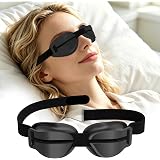
The human circadian rhythm, our internal 24-hour clock, is acutely sensitive to light. Even minimal light penetration can suppress melatonin production, a critical hormone signaling the body that it’s time to sleep. Traditional eye masks often fall short, exerting pressure or allowing light leakage. However, modern designs, exemplified by the MZOO Sleep Eye Mask, employ a 3D contoured architecture. This ergonomic approach not only eliminates direct ocular pressure, permitting natural eye movement during REM cycles, but also integrates patented light-blocking technology. Such innovations ensure a complete absence of light, facilitating robust melatonin secretion and promoting a deeper, more consolidated sleep state. This mechanism is particularly beneficial for individuals exposed to ambient light from digital devices, streetlights, or early morning sun.
Optimizing Airway Patency: Beyond Snoring Reduction
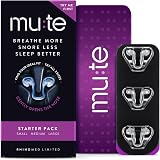
Obstructed nasal passages or mild snoring can severely fragment sleep, leading to reduced oxygen intake and increased arousal frequency. While often perceived as a nuisance, chronic snoring can indicate underlying respiratory resistance, impacting cardiovascular health and daytime alertness. Devices like Breathe Right nasal strips, through their gentle mechanical action, physically lift and expand nasal passages. This drug-free intervention increases airflow, reducing the vibratory sounds associated with snoring and alleviating congestion from allergies or colds. Improved nasal breathing facilitates deeper diaphragmatic respiration, which can activate the parasympathetic nervous system, further promoting relaxation and sleep onset.
Soundscapes for Serenity: White Noise and Acoustic Entrainment
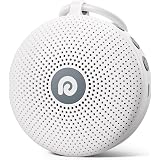
Environmental noise, whether from urban clamor or a restless partner, is a common disruptor of restful sleep. The Magicteam Sound Machine epitomizes the evolution of sound therapy for sleep. Unlike rudimentary sound generators, these devices offer a diverse palette of non-looping natural sounds, ranging from broadband white noise to tranquil nature soundscapes. White noise functions by creating a consistent acoustic blanket, masking sudden sound spikes that might otherwise trigger an arousal response. The extensive volume control allows for precise sound masking, creating a personalized auditory environment conducive to sleep. This approach leverages principles of auditory masking and acoustic entrainment, where rhythmic sounds can help synchronize brainwave activity to promote relaxation.
Advanced Technological Integrations for Sleep Enhancement
The frontier of sleep technology extends beyond passive environmental controls, incorporating active physiological modulation and comprehensive data analytics. These advanced sleeping gadgets leverage smart features to address complex sleep challenges, offering personalized interventions and detailed insights.
Multi-Modal Sleep Assistance: The Hatch Restore 2 and Beyond
The convergence of multiple sleep-enhancing features into a single device represents a significant leap in sleep technology. The Hatch Restore 2 exemplifies this integration, offering a holistic approach to both sleep onset and awakening. Its capability to generate high-quality nature sounds and white noise provides effective sound masking, while its core innovation lies in its sunrise alarm functionality. This feature employs gradual light emulation, mimicking the natural dawn to gently transition the body out of sleep. This phototherapy approach helps recalibrate the body’s circadian rhythm, reducing sleep inertia and promoting a more energized start to the day. The accompanying mobile application allows for granular control over light intensity, sound profiles, and personalized sleep/wake routines, transforming a bedside lamp into a sophisticated sleep coach.
Targeted Relaxation: Therapeutic Goggles for Stress and Tension
Stress and tension are potent antagonists of restful sleep, often manifesting as headaches or muscle rigidity. Therabody SmartGoggles address these specific physiological barriers with a targeted approach. Combining a blackout design with gentle heat and customizable temple massage features, these smart goggles induce a profound state of relaxation. The heat therapy promotes localized vasodilation, easing muscle tension, while the temple massage can stimulate pressure points, further reducing stress and promoting a sense of calm. This biofeedback mechanism helps to downregulate the sympathetic nervous system, accelerating the transition to a pre-sleep state. Such devices are particularly valuable for individuals who carry significant tension in their head and neck regions.
Discreet Acoustic Isolation and Monitoring: Sleep Earbuds
For individuals whose sleep is primarily disrupted by noise, traditional earbuds can be uncomfortable or impractical. The Soundcore Sleep A20 by Anker represents an evolution in discreet noise-blocking solutions. These diminutive earbuds are engineered for supreme comfort, particularly for side sleepers, ensuring they remain unobtrusive throughout the night. Beyond passive noise attenuation, they offer Bluetooth 5.3 connectivity for streaming soothing audio, allowing users to create an individualized sound environment. Crucially, the integration of a built-in sleep monitor and personal alarm provides objective data on sleep patterns and enables silent, vibration-based wake-ups that do not disturb a partner. This dual functionality merges acoustic management with data-driven insights, offering a comprehensive solution for noise-sensitive sleepers.
Wearable Technology for Comprehensive Sleep Analytics
The proliferation of wearable technology has revolutionized personal health tracking, with sleep monitoring emerging as a pivotal application. These devices offer unprecedented access to objective sleep data, moving beyond subjective perceptions to provide actionable insights into sleep quality and patterns.
Sophisticated Biometric Tracking: The Oura Ring 4
The Oura Ring 4 transcends the capabilities of a simple fitness tracker, serving as a sophisticated biometric sensor for comprehensive health and wellness analysis. Its discreet, lightweight design belies its powerful array of sensors, which accurately track sleep stages (REM, deep, light), heart rate variability (HRV), skin temperature, and activity levels. The ring’s ability to monitor these physiological markers provides a granular understanding of sleep architecture and recovery status. For instance, HRV offers insights into autonomic nervous system balance, a key indicator of stress and recovery. The extensive battery life (up to eight days) ensures continuous data collection without frequent recharging, making it an ideal tool for long-term sleep optimization strategies. Data collected can reveal trends in sleep efficiency, help identify potential disturbances, and inform lifestyle adjustments for improved rest.
Integrated Wellness Ecosystems: The Apple Watch Series 10
The Apple Watch Series 10 exemplifies the integration of advanced sleep tracking within a broader personal wellness ecosystem. While renowned for its multifarious capabilities, its enhanced sleep tracking features are particularly noteworthy. Utilizing its always-on Retina display and sophisticated sensors, the watch continuously monitors heart rate, blood oxygen levels, and micro-movements to accurately delineate sleep stages. The ECG app further adds to its health monitoring prowess, allowing users to gain insights into their cardiac health. Its seamless integration with the iOS ecosystem provides a user-friendly interface for reviewing sleep metrics, setting sleep schedules, and leveraging other health applications. The Apple Watch appeals to those who seek a premium, versatile device that not only optimizes sleep but also provides a holistic view of their daily activity and overall well-being. This convergence of features makes it a powerful tool for proactive health management, with restful sleep as a core component.
The continuous evolution of sleeping gadgets represents a significant step forward in addressing widespread sleep challenges. From optimizing the immediate sleep environment with advanced eye masks and sound machines to leveraging sophisticated wearables like the Oura Ring 4 and Apple Watch Series 10 for detailed biometric analysis, these technologies empower individuals to take a proactive approach to their nocturnal well-being. Investing in these innovative sleep gadgets can lead to more consistent, fast, and restful sleep, fundamentally enhancing overall health and daily performance.
Unlocking Fast & Restful Sleep: Your 2025 Gadget Q&A
What are sleeping gadgets?
Sleeping gadgets are innovative tools and technologies designed to help improve your sleep quality. They can address issues like environmental disruptions, physical discomfort, or provide insights into your sleep patterns.
How does light affect my sleep?
Light significantly impacts your body’s internal clock and can suppress melatonin production, a hormone that signals it’s time to sleep. Even small amounts of light can disrupt your natural sleep processes.
Can special sounds help me sleep better?
Yes, devices like sound machines can help you sleep by generating consistent background sounds, such as white noise or nature sounds. These sounds mask disruptive noises and create a calming acoustic environment conducive to sleep.
What do wearable sleep trackers do?
Wearable sleep trackers, such as smart rings or watches, monitor your sleep patterns by tracking various biometrics like sleep stages, heart rate, and body temperature. They provide detailed data to help you understand and improve your sleep quality.