Determining the best position to sleep in often feels like a quest for the holy grail of slumber, a topic expertly introduced in the accompanying video. While there’s no single universal answer, understanding how different sleep postures impact our bodies is crucial for improving overall sleep quality and addressing specific health concerns. Forget the antiquated ideas linking sleep positions to personality traits; modern sleep science focuses on tangible physiological effects, from spinal alignment to organ function.
Understanding Different Sleep Postures: The Basics
Sleep experts typically simplify the myriad creative names for sleep positions into four fundamental types: left side, right side, stomach, or back. Our preference for these positions evolves significantly from infancy through adulthood.
- Infants: It is widely recommended that babies sleep on their backs until at least age one to significantly lower the risk of choking and sudden infant death syndrome (SIDS). This critical guideline prioritizes airway safety.
- Children and Adults: As we grow, our sleep patterns become more dynamic. Most adults gravitate towards side-sleeping, followed by back-sleeping, with stomach-sleeping being the least common preference. This natural progression away from stomach-sleeping often coincides with the body’s increasing awareness of comfort and spinal strain.
Each sleep posture can subtly, yet significantly, shift the relative positions of our internal organs and the alignment of our spine. This can either alleviate or exacerbate existing health issues, making the choice of how you rest a surprisingly powerful tool for daily well-being.
The Least Recommended: Stomach Sleeping
Sleeping prone, or on your stomach, is generally the least recommended position by sleep experts, and for good reason. This posture often forces an unnatural extension of the spine, particularly in the lower back, and requires the neck to be turned to one side for extended periods. Such sustained twisting and hyperextension can lead to considerable tension and stiffness, not just in the neck and back, but also in the hips, as the muscles struggle to fully relax.
For most individuals, stomach sleeping actively works against maintaining the natural curves of the spine, which are essential for distributing body weight and absorbing shock. Over time, this can contribute to chronic back pain and discomfort. Furthermore, the pressure on facial tissues and blood vessels can sometimes lead to morning puffiness or even contribute to premature wrinkles.
When Stomach Sleeping Might Offer a Unique Benefit
Despite the general advice against it, there are rare, specific circumstances where sleeping on your stomach may be beneficial. For patients with certain respiratory conditions, such as acute respiratory distress syndrome (ARDS), the prone position can actually help. It allows the dorsal (back) regions of the lungs to expand more freely, improving ventilation and oxygenation. This is a highly specialized application, typically under medical guidance in critical care settings, and doesn’t negate the general advice for healthy individuals.
Back Sleeping: Benefits, Risks, and Support
Sleeping on your back, or supine, is a favored position for many, particularly those who experience lower back pain. When done correctly, this position can be highly beneficial for spinal alignment. Placing a small pillow or rolled towel under the knees allows the spine to maintain its natural curve, supporting the lumbar region and reducing pressure points.
This neutral spinal alignment can significantly alleviate pressure on discs and nerves, making it an excellent choice for individuals managing chronic back discomfort. Furthermore, back sleeping helps keep the head, neck, and spine in a straight line, minimizing neck pain when an appropriate pillow is used.
The Downside: Snoring and Sleep Apnea
However, back sleeping is not without its drawbacks, particularly concerning airway obstruction. For some individuals, lying on their back causes the soft tissues of the throat, the tongue, and the soft palate to collapse backward into the airway. As the body attempts to pull air through this constricted space, these tissues vibrate, producing the familiar sound of snoring.
This issue is even more critical for individuals diagnosed with sleep apnea, a condition characterized by pauses in breathing during sleep. Back sleeping can exacerbate sleep apnea by increasing the likelihood of a complete collapse of the airway, blocking airflow entirely. Therefore, people with known sleep apnea are often advised by medical professionals to avoid this position to reduce the severity of their symptoms and improve their breathing efficiency throughout the night.
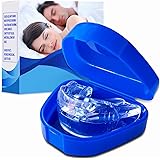
To mitigate the risk of snoring or mild sleep apnea while back sleeping, specialized pillows designed to elevate the head and maintain neck alignment can be helpful. Additionally, positional therapy devices that gently encourage side sleeping can be used.
Optimizing Your Sleep Position: The Side Sleeper’s Advantage
Today, most sleep experts generally recommend side sleeping as the optimal position for overall health and comfort. This position, especially when combined with proper pillow support, offers excellent spinal alignment. Placing a firm pillow between the knees helps to keep the hips, pelvis, and spine in a neutral position, preventing the top leg from pulling the spine out of alignment.
Side sleeping can also be particularly beneficial for specific health conditions, offering targeted relief and improved function. It is often the preferred choice for pregnant individuals, as it can improve circulation for both mother and baby and reduce pressure on internal organs. Furthermore, side sleeping can reduce snoring for many, as it helps to keep the airway more open compared to back sleeping.
Left Side vs. Right Side: A Critical Distinction
Interestingly, the video highlights that *which* side you choose to sleep on can make a significant difference, particularly for certain digestive and cardiovascular conditions:
- Left Side Sleeping for Acid Reflux: Studies have consistently shown that sleeping on the left side can significantly reduce heartburn symptoms for individuals suffering from acid reflux or GERD (Gastroesophageal Reflux Disease). The anatomical reason is simple: your stomach is primarily located on the left side of your body. When you lie on your left, gravity naturally helps to keep stomach acid contained below the esophagus. This prevents the acid from flowing back up into the food pipe, minimizing the burning sensation and discomfort.
- Right Side Sleeping for Congestive Heart Failure: In contrast, for individuals with congestive heart failure (CHF), particularly those with an enlarged left ventricle, sleeping on the right side can be more beneficial. This position can help relieve chest pressure and improve overall sleep quality by reducing the strain on the heart. It prevents the enlarged heart from pressing against the chest wall or affecting lung function as much as it might on the left side. Always consult with a healthcare provider for personalized advice on sleep positions if you have a heart condition.
The Dynamic Nature of Sleep: Movement is Key
While the discussion around the best position to sleep in often focuses on static postures, the reality is that sleep is a dynamic process. Most people shift positions between 20 to 30 times per night, often without even realizing it. This constant movement is not always a sign of poor sleep; rather, it’s how your body naturally relieves pressure points, responds to discomfort, and ultimately prevents injury and promotes circulation.
Pillows and other sleep training devices, such as body pillows or specialized wedges, can certainly assist in maintaining a preferred position if you have a specific medical reason to do so. For instance, a firm body pillow can help a side sleeper maintain their lateral position throughout the night, supporting both the spine and preventing rolling onto the back or stomach. However, for most healthy individuals, embracing the body’s natural inclination to move and adjust is part of a healthy sleep cycle.
Positioning for Optimal Rest: Your Q&A
Is there one single best sleep position for everyone?
No, there isn’t one universal best sleep position. The most suitable position depends on your individual health needs and how it impacts your body.
What are the four basic types of sleep positions?
Sleep experts generally simplify positions into four fundamental types: sleeping on your left side, right side, stomach, or back.
Which sleep position is generally least recommended?
Sleeping on your stomach is typically the least recommended position because it can cause strain on your spine and neck, leading to discomfort.
What is generally considered the most optimal sleep position for overall health?
Side sleeping is often recommended as the optimal position for overall health and comfort, especially when supported with a pillow between the knees for spinal alignment.
Does it matter if I sleep on my left or right side?
Yes, for certain conditions, the side matters. Sleeping on your left side can help reduce acid reflux, while the right side might be beneficial for individuals with congestive heart failure.